


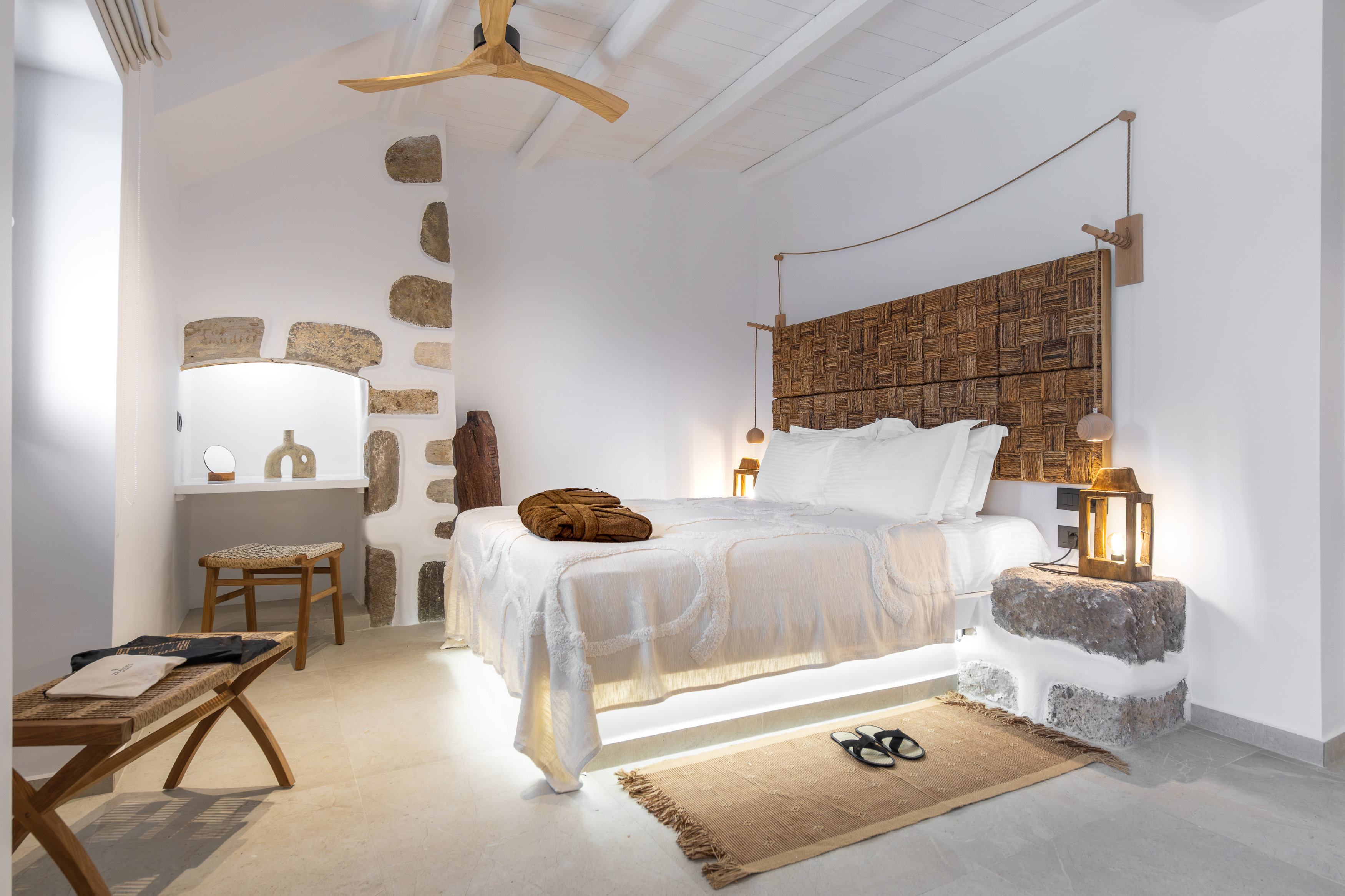
Wood, stone, linen, cotton and woven natural fibres can bring warmth, texture and lasting character to an interior.
The key to combining them successfully goes beyond matching colours.
Scale, lighting, practical use and maintenance all influence how materials work together in a finished space.
Choose a Dominant Material
When an interior includes several natural finishes, one material can help create a sense of continuity.
This might be a timber floor, a stone surface or a statement piece of furniture.
Other materials can then be selected to complement that main feature rather than competing for attention.
A dominant material supported by a few carefully chosen textures is often more effective than an abundance of different finishes.
Layer Textures Instead of Adding More Colours
An ivory, beige or earthy colour palette doesn't need to feel flat.
Linen upholstery, matte ceramics, a timber table and woven details introduce contrast through texture.
The relationship between smooth and textured, soft and solid, can make a neutral interior feel considered and inviting.
Pay Attention to Wood Tones
Different timbers have different undertones.
Some feel warmer and more golden, while others appear darker or more neutral.
When mixing wood finishes, consider how they relate to the flooring, surrounding surfaces and natural light.
They don't all have to match, but their relationship should feel intentional.
Use Natural Stone with Purpose
Stone can introduce a strong architectural quality to floors, walls and selected surfaces.
However, different stones have different performance characteristics.
Porosity, staining, slip resistance and maintenance requirements should all influence the specification.
In bathrooms, kitchens and outdoor areas, technical suitability should take priority over appearance alone.
Introduce Woven and Natural Textiles
Linen, cotton, cane and other woven fibres can soften the appearance of timber and stone.
Curtains, cushions, lighting and smaller furniture pieces provide opportunities to add texture without major building work.
Durability, cleaning requirements and exposure to humidity or strong sunlight still matter.
Not every natural material is suitable for every setting.
View Samples in the Actual Space
A finish can look very different in a photograph, a showroom and the property where it will be installed.
Daylight, artificial lighting and nearby colours all affect how materials appear.
Viewing timber, fabric and surface samples together helps reveal whether the combinations work before final orders are placed.
Balance Makes the Difference
Natural materials don't need to dominate every surface to make an impact.
What matters is how they relate to one another and how well they support the space's function.
We undertake interior design, furnishing and equipment selection, combining considered aesthetics with practical requirements and budget planning.
FAQ – Natural Materials in Interior Design
Can different wood species be combined in one room?
Yes. Different wood tones and textures can work well together when the overall palette, flooring and lighting are carefully considered.
Which natural materials work well in smaller apartments?
Timber, linen textiles, ceramics and selected woven details can all be effective. The proportions and quantity of materials matter more than the size of the room.
Is natural stone suitable for bathrooms?
It can be, provided the stone and its surface treatment are appropriate, with attention to slip resistance, moisture and maintenance.
Is cane or rattan practical for holiday accommodation?
It depends on the application and expected use. Durability, cleaning and exposure to moisture should be considered.
How can an earthy colour palette avoid looking monotonous?
By layering contrasting textures, subtle tonal variations, thoughtful lighting and selected decorative features.
Looking to Refresh Your Interior?
Contact us to explore furniture, materials and equipment suited to your property's needs and design direction.